
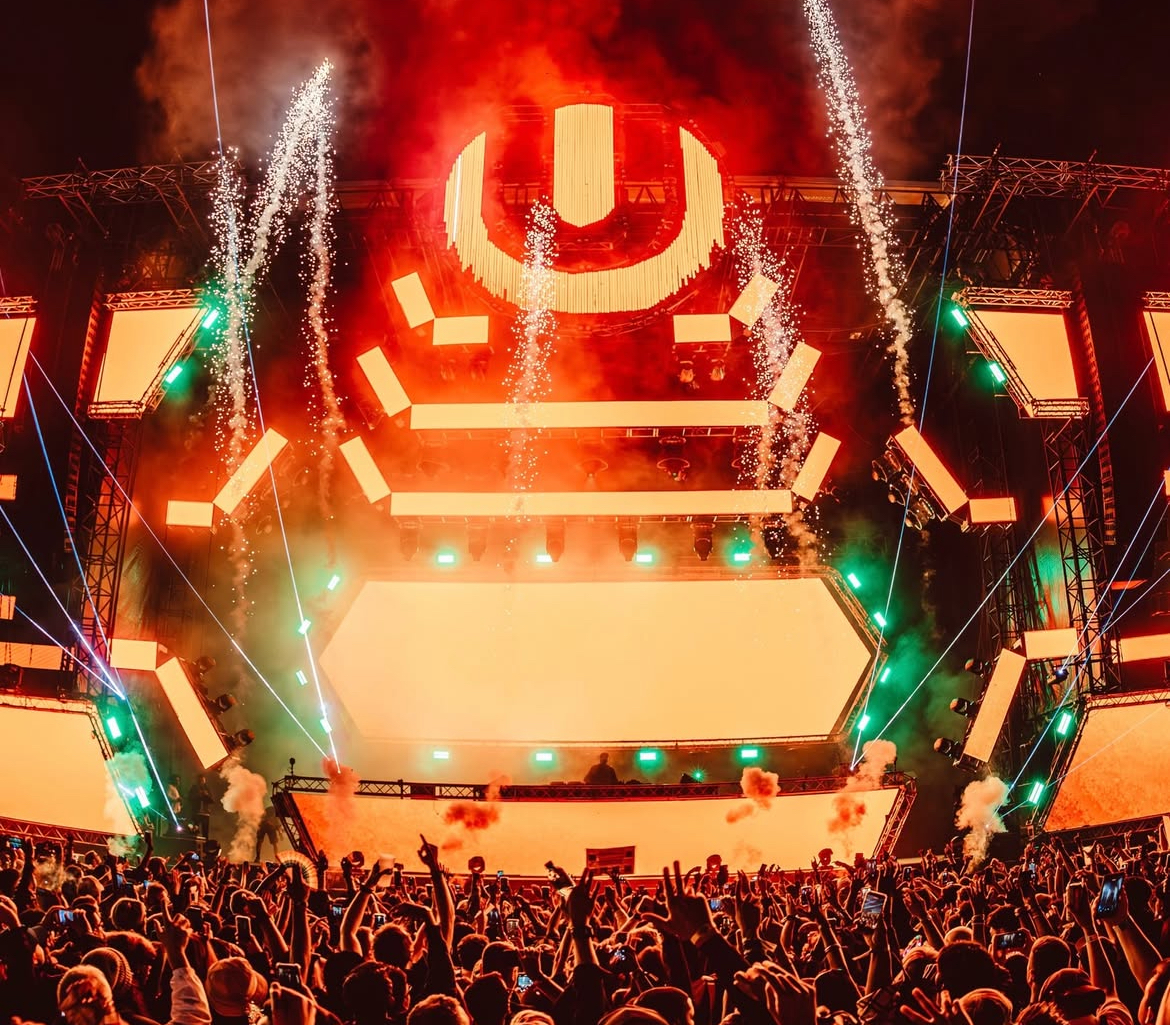

FREEDOM IN MOTION: HOW ULTRA SOUTH AFRICA CAPTURED A SHIFT IN MODERN LIFESTYLES
Each year, Ultra South Africa brings together thousands of music lovers for a high-energy celebration of sound, style and self-expression. In 2026, the festival landed in close proximity to Freedom Day, a moment that naturally invited a deeper reflection on what freedom looked like in modern South Africa.
Beyond the music, ULTRA has become a cultural barometer. It is a space where fashion, creativity and social behaviours intersect, offering a glimpse into how younger adult audiences are redefining lifestyle choices in shared, social environments.
One of the more subtle, yet significant, shifts visible at festivals like ULTRA is how adult consumers are engaging with nicotine. While traditional cigarettes remain prevalent in South Africa, there is a growing conversation around alternatives - particularly those designed to align more closely with contemporary social settings.
This was where innovation begins to reshape the landscape.
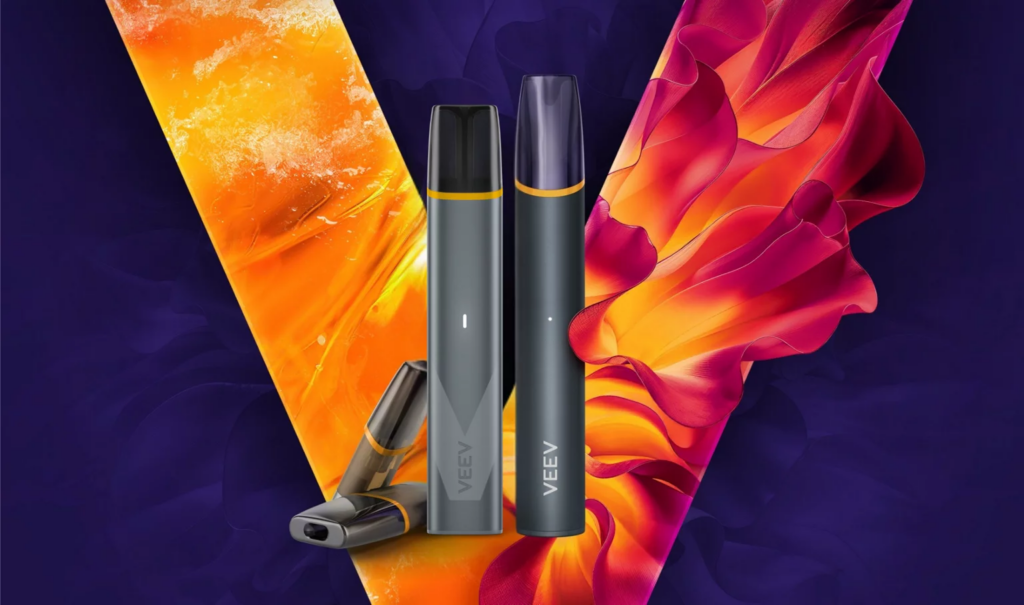
Smoke-free alternatives (products that eliminated combustion) were increasingly part of the broader lifestyle dialogue. Designed with discretion and social consideration in mind, these options reflect changing expectations in environments where people are more conscious of shared spaces and the impact of their choices on others.
At ULTRA, this shift was reflected not through overt messaging, but through experience. In a dedicated smoke-free zone, festivalgoers were invited to engage with creativity in a way that felt organic to the setting. Local artist Russell Abrahams collaborated with attendees to customise T-shirts — using visual motifs and messaging that spoke to individuality, progress and personal choice. The activation leaned into culture first, using art as a medium for conversation rather than instruction.
It was a fitting approach for a festival rooted in expression.
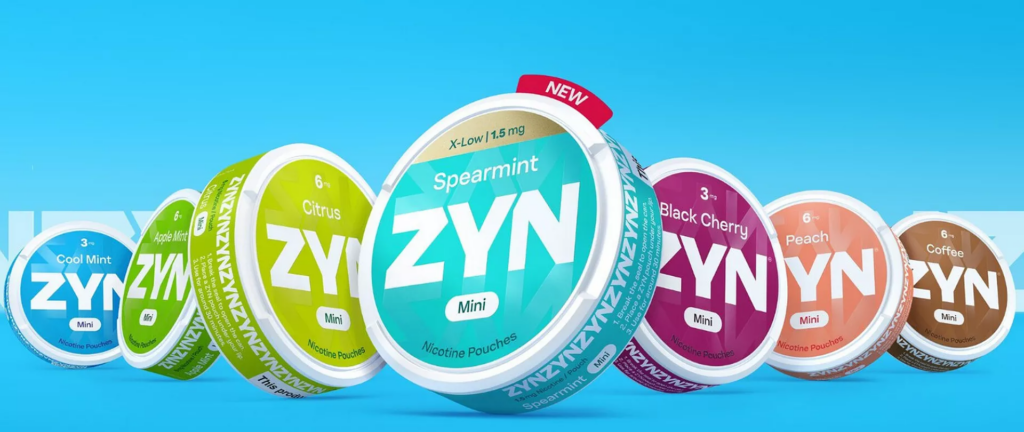
From a broader perspective, Philip Morris International positioned itself within this evolving space by focusing on expanding access to smoke-free alternatives for adult nicotine users who would otherwise continue to smoke. Its portfolio, including IQOS ILUMA, ZYN Nicotine Pouches and VEEV, reflects a multi-category approach aimed at offering different options for different preferences.
According to Daniel Gyefour, Director of Smoke-Free Products for Sub-Saharan Africa, the conversation ultimately came down to access and information. “Freedom of choice is an important part of this moment. It is about ensuring that adult consumers have access to alternatives and the information they need to make informed decisions,” he noted.
Importantly, the emphasis is not on directing behaviour, but on recognising a reality. That many adult nicotine users are not ready to quit entirely. In that context, expanding alternatives becomes part of a broader harm-reduction conversation, one that intersects with lifestyle and technology.
Back on the festival grounds, however, it was less about policy and more about lived experience. ULTRA remained, first and foremost, a celebration of music, movement and individuality. Yet within that, it also quietly reflected how culture evolved, how people socialised, what they valued, and how they chose to express themselves.
In 2026, the intersection of Freedom Day and ULTRA South Africa offered a timely lens into that evolution. Freedom was no longer just a historical milestone - it was a daily, personal expression. And in spaces like ULTRA, it played out in real time. Through music, creativity, and increasingly, through the choices people made about how they lived.