

FREEDOM DAY: WHY INFORMED CHOICES MATTER IN THE SHIFT TO A SMOKE-FREE FUTURE
Freedom Day marks one of the most profound moments in South Africa’s history: the hard‑won transition from oppression to democracy, and the restoration of dignity, rights and voice to millions of people who were historically denied them. It is a day rooted in remembrance and responsibility, a reminder that freedom is not abstract, but lived, shaped by access to information, the ability to decide, and the agency to act in ways that support individual well-being. As South Africa reflects on the meaning of freedom in a modern democracy, questions of informed choice are increasingly extending into public health conversations, including how adult consumers engage with nicotine and the options available beyond cigarettes.
Across South Africa and globally, the conversation around nicotine is evolving. While tobacco control efforts, public awareness and regulation have played an important role in reducing smoking prevalence in many countries, the reality is that the total number of people who smoke worldwide remains significant and has increased over time as populations grow. At the same time, social norms and adult consumer expectations are changing, with growing interest in alternatives that better align with contemporary lifestyles, health considerations and personal circumstances.
According to Daniel Gyefour, Director, Smoke-Free Products (SFP), Sub-Saharan Africa at Phillip Morris International (PMI): “This signals a profound cultural and behavioural change that reflects not just stronger public health policy, but a meaningful transformation in how people think about their wellbeing.”
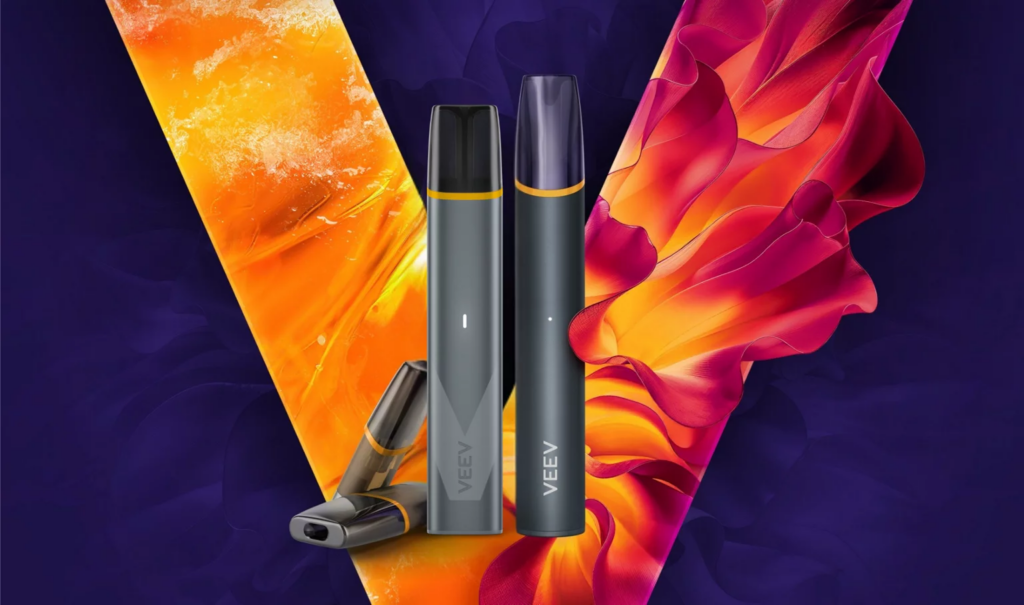
As the world moves towards a more smoke-free culture, one question sits at the centre of the debate: should adult consumers not have the freedom to make their own, informed choices about nicotine consumption?
In South Africa, a Global Adult Tobacco Survey conducted in 2021 highlights that 21.2% of adults smoke daily, while a further 4.6% smoke occasionally. Many of the country’s 11.1 million smokers are not ready, or willing, to quit smoking entirely. And while many smokers do express a desire to quit, success rates remain low. Therefore, tobacco control measures alone will not be sufficient to reduce smoking prevalence as quickly as we all anticipate.
Studies show that most smokers make multiple quit attempts before achieving long-term cessation, and many relapse within weeks or months. This presents an opportunity for a complementary approach, where adult consumers who would otherwise continue to smoke are supported to switch to less harmful alternatives. For these consumers, the emergence of smoke-free nicotine products presents a significant opportunity: to continue exercising personal choice, while reducing the harms associated with combustion-based tobacco.
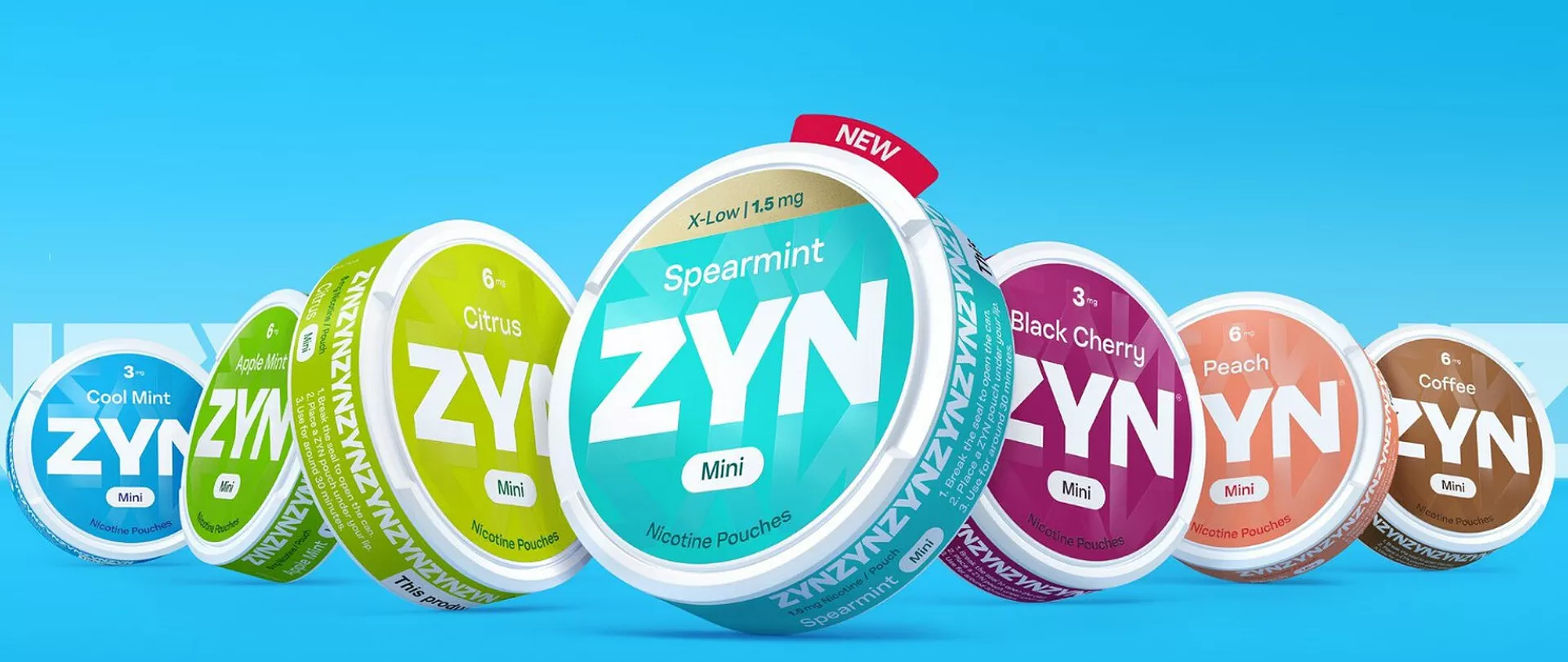
Aligned with its ambition to deliver a smoke-free future by 2030, PMI is driving the transition towards better alternatives and choices for adult nicotine users. Its smoke-free product range now includes ZYN, a nicotine oral pouch available in a range of variants that are intended for and designed to offer adult nicotine users viable alternatives to cigarettes. Small, discreet, and odourless, ZYN delivers nicotine without smoke, ash, or the social disruption of stepping away for a cigarette break.
“Adult smokers are looking for options that fit their lifestyles and preferences, especially alternatives that do not rely on combustion,” says Gyefour. “We are committed to providing alternatives that empower adult consumers to make informed decisions. Harm reduction is not about telling people what to do. Far from it! It’s about ensuring they have the knowledge and the freedom of choice”, Gyefour adds.
Consumer freedom, in this context, is about ensuring adults have access to better alternatives to continued smoking, which, although not entirely risk‑free, are a better alternative for adults who would otherwise continue to smoke.
“People have different preferences, lifestyles, and readiness to change, and that should be acknowledged,” says Gyefour. “That’s why PMI is focused on continuing to develop and expand a range of smoke-free alternatives that offer adult users more options beyond cigarettes.” “As a global smoke-free champion, our ambition is to provide adult smokers who would otherwise continue smoking with science‑based smoke‑free alternatives. Since 2008, we have invested more than USD 14 billion globally in research and innovation to advance better alternatives to smoking, aligning innovation and design with public‑health priorities. Over the next five years, we will continue to invest in innovation that supports this shift - because ultimately, our role is to provide adult consumers with access to better alternatives and the information they need to make informed choices.”